Why Home Service Businesses Lose Their Best Leads Before Lunch
May 14, 2026 · from the GateCurate team
Why Home Service Businesses Lose Their Best Leads Before Lunch
The leads with the highest intent arrive in the morning — and they’re also the ones most likely to be gone by the afternoon callback. Here’s what’s actually happening between 8 a.m. and noon, and what to do about it.
The morning rush nobody is staffed for
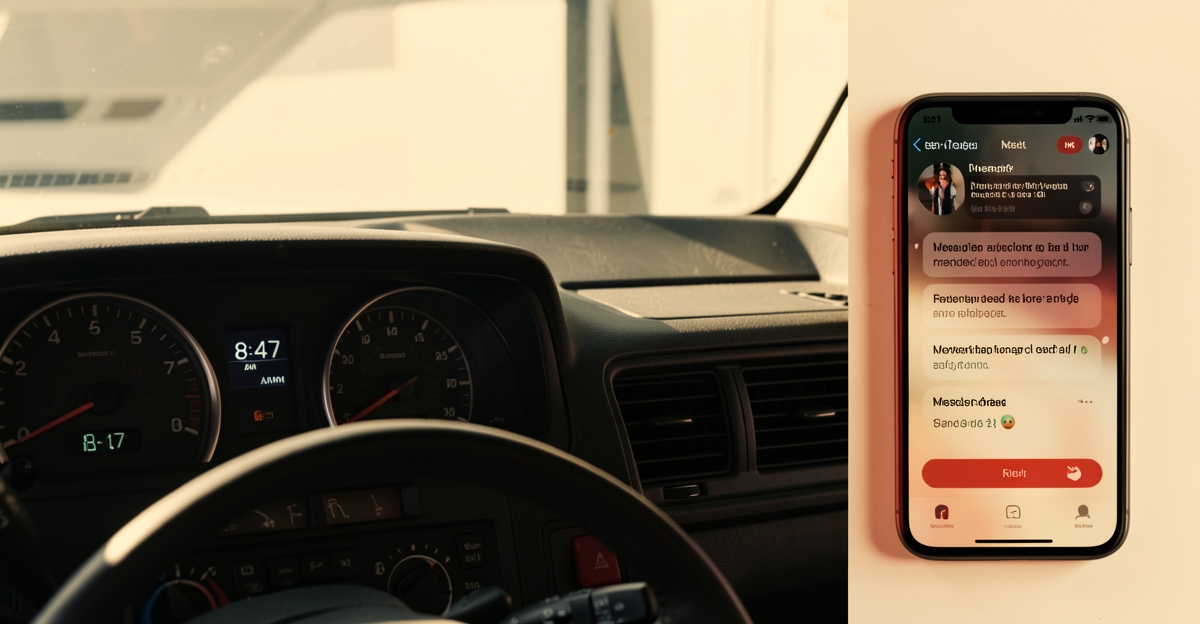
Walk into a plumbing or HVAC shop at 8:15 a.m. and you’ll see the same scene in every market in the country. The truck’s already rolling. One tech is on a callback from yesterday. The dispatcher is staring at a job board that doesn’t yet account for the four texts, two web forms, and three voicemails that came in overnight. The owner is on a roof.
And the phone keeps ringing.
Mornings are when intent peaks. Mornings have the highest call booking rates in the trades — with the variation by time of day more pronounced for larger businesses than small operations, peaking for big shops and falling off sharply into the evening. Translation: the customer who fills out your form at 7:52 a.m. is not the same customer who fills out your form at 7:52 p.m. The morning lead is showing up with cash in hand. They want to talk now. They’ve already decided to spend money — they’re just deciding who they’re spending it with.
And here’s the part that should keep you up: while your morning leads are the most valuable, they’re also the ones you’re least equipped to catch. The tech-on-the-roof, dispatcher-drowning, owner-already-late dynamic means the inbound wave hits exactly when nobody is sitting at a screen.
The morning lead arrives ready to spend. By the time you call back, they’ve already spent it — somewhere else.
What “losing them before lunch” actually means
The loss isn’t a marketing flourish. It’s what happens when you stack three separate, reinforcing patterns on top of each other.
Pattern one: the speed cliff. Respond to a new lead within minutes and you’re dramatically more likely to make contact and to qualify the lead. Let it sit and your odds collapse.
The average business takes the better part of two days to respond — by which point the first responder has already won the overwhelming share of deals. The drop-off isn’t gradual. It’s a cliff.
Pattern two: simultaneous shopping. Homeowners no longer call one company and wait. The window for maximum conversion has shrunk from minutes to mere seconds — because homeowners now submit multiple forms simultaneously and book with whoever responds first. The morning intent wave isn’t your wave. It’s a shared wave between you and several other shops in your service area.
Pattern three: morning is when buyers buy. Combine the speed cliff with simultaneous shopping with the fact that mornings are when bookings actually happen, and the math is brutal. Across contractor leads in HVAC, plumbing, electrical, and tree services, text responses within the first minute book the appointment far more often than not, while responses that arrive a half-hour later almost never do.
If your average response time on a morning form-fill stretches past half an hour — and for most owner-operator shops it’s much longer than that — you’re not losing a few. You’re losing the overwhelming majority of your best leads before the lunchtime sandwich is unwrapped.
Why CRMs and call answering services don’t close the gap
The reflexive fix is to throw bodies or software at the problem. Hire a CSR. Buy a CRM. Sign up for an answering service. These are reasonable moves. They are not sufficient moves.
Here’s why.
A CSR who starts at 8 a.m. is already behind on the overnight queue and is fielding inbound calls in real time. They can be excellent and still not be fast enough — responding to leads within minutes converts at a far higher rate than waiting half an hour, and a human CSR working through a queue physically cannot hit that bar on every lead during a morning spike.
A CRM stores the lead. It does not respond to it. The structural problem only gets solved by removing the human from the first response entirely. When a homeowner submits a contact form, the system has to respond within seconds regardless of what everyone on your team is doing. No human has to be watching an inbox. No dispatcher has to notice a new notification.
An answering service handles the phone. It doesn’t handle the web form, the Google LSA, the Facebook ad click, the Yelp request, or the chat widget — which together make up the majority of where modern home service leads actually originate. The overwhelming majority of callers won’t leave a voicemail, and a large share of leads arrive outside normal business hours, meaning even a perfectly-staffed phone line is catching a shrinking slice of total demand.
The deeper problem: none of these tools tell you, at 8:17 a.m., which of the seven leads sitting in your inbox is the homeowner with the busted condenser ready to drop thousands today, and which is the tire-kicker pricing out a tune-up they may schedule next month. You’re treating every lead with the same urgency because you have no way not to.
Speed without judgment is just noise. Judgment without speed is just regret.
What the morning gap looks like up close
The pattern is consistent everywhere you look.
The average contractor takes the better part of an hour to respond to a new lead. Contact a lead within minutes — instead of half an hour later — and you’re far more likely to have a meaningful conversation. By the time you’re calling back from the job site, the homeowner has already moved on to the next name on their list.
A large share of contractors take the better part of a week or longer to respond to inquiries. Days. Think about what a morning lead looks like that many days later. They’ve already booked the job, paid the invoice, and posted a review of the contractor who got there first.
The cost of that gap, in dollar terms:
Each missed call costs home service businesses real revenue. For HVAC specifically, each missed call is worth at least the price of a routine service at a minimum — and many times that if it would have led to a system replacement. Over a year, small businesses lose a substantial sum to unanswered calls.
That lost revenue is not spread evenly across the day. It’s concentrated in the morning wave — the same wave you can’t staff for, can’t manually answer fast enough, and can’t intelligently triage as it hits.
The average HVAC contractor closes only a minority of install proposals. That means most of the estimates your team writes go unclosed. Many of those homeowners did not say no. They said “let me think about it” — and then nobody from your company ever followed up.
The pattern compounds. A slow morning response means fewer estimates. Fewer estimates means fewer install jobs. And the install jobs that do get written sit unfollowed-up because the same understaffed front-end that missed the morning lead is now too busy catching up to chase the warm proposal.
The GateCurate approach: intake intelligence, not just speed
The fastest possible auto-responder is not the answer. A boilerplate “Thanks, we got your message!” hitting an inbox in three seconds is not what wins the morning.
What wins the morning is showing up to the callback already knowing who you’re talking to.
GateCurate sits in front of your intake — web forms, chat widgets, lead-source integrations — and runs every inbound through a guided, progressive conversation. Not a 14-field form dump. A short, human sequence: what’s the issue, what kind of property, where, how urgent, and then contact. Five questions, asked one at a time, designed the way a good dispatcher would actually triage a call.
By the time the lead reaches your screen, three things have happened that didn’t happen before:
The homeowner has been engaged immediately — not just acknowledged, but actually walked through the start of the conversation they wanted to have. The “first responder wins” dynamic is already in your column before any human on your team has touched the lead.
The lead arrives structured. You see, at a glance, what kind of job it is, where it is, how hot it is, and what to ask first when you call. The twenty minutes of qualification you used to spend on a callback becomes zero. The conversation can be real.
And — this is the part that matters most for the morning rush — you see, at a glance, who’s serious and why. When the noon-hour callback list lands on your dispatcher’s desk, it’s not seven unsorted strangers. It’s a prioritized board. You only call the ones that are real. You stop spending your best hours on dead leads.
For an HVAC owner-operator, this isn’t a CRM upgrade. It’s the difference between walking into a morning with no idea what’s waiting and walking in already knowing where the money is.
You don’t have a lead problem. You have an intake problem.
What changes
When the intake layer is doing the work it should have been doing all along, here’s what shifts in the operator’s day:
-
The morning queue is sorted before you open it. Not “all 11 leads need callbacks.” Three are hot, four are warm, four are tire-kickers. You know which is which before you pick up the phone.
-
The first call is the real conversation. No more “so what’s going on?” No more “what kind of system do you have?” You walk in with context, the homeowner walks in feeling heard.
-
Hours come back to the operator. The dead-lead callback grind — the calls where you spend ten minutes finding out the person was just researching — drops off the board.
-
Estimate-to-close goes up because the people you’re writing estimates for are the right ones. Your close rate isn’t constrained by raw lead volume anymore. It’s constrained by capacity, which is a much better problem to have.
-
The morning wave stops being where leads die. It starts being where revenue is captured.
Key takeaways
- The morning is when intent is highest and your operation is least equipped to catch it — that’s not a coincidence, it’s the structural gap.
- Speed alone isn’t enough. A fast generic auto-response doesn’t tell you which lead is the high-ticket replacement and which is a tune-up shopper.
- The leads you lose before lunch aren’t a marketing number — it’s the compounding effect of slow response + simultaneous shopping + no triage at the front door.
- Bodies and CRMs help. They don’t close the gap. The fix is at the intake layer, before the lead ever hits your inbox.
- The shops that win the next five years won’t be the ones with the most leads. They’ll be the ones who know, at a glance, which leads are real.
The morning wave is going to keep showing up at 8 a.m. tomorrow. The question is whether you’ll be staring at an inbox or at a sorted board with the three callbacks that matter at the top of it.
Activate Access — set up your intake so the morning queue arrives sorted, structured, and ready for a real conversation.